
 English
-
 English
 -
简体中文
-
عربي
-
Polski
-
Deutsch
-
Русский язык
-
Français
-
한국어
-
română
-
Português
-
日本語
-
Türkçe
-
УкраїнськаName
-
Español
-
Italiano
-
हिंदीName
-
IndonesiaName


The "Dual Carbon" strategy leads the green transformation | Cleaner production improves the leather industry to consolidate the "ecological" development path
Author:Guangzhou Qiyu Leather Co., Ltd.
Click:
Time:2025-06-25 14:00:03
The Third Plenary Session of the 20th CPC Central Committee proposed “focusing on the construction of a beautiful China and accelerating the comprehensive green transformation of economic and social development”. General Secretary Xi Jinping pointed out that “new quality productivity itself is green productivity” and “it is necessary to accelerate the green transformation of development methods to help achieve carbon peak and carbon neutrality”. The China Light Industry Federation actively implements the decisions and deployments of the Party Central Committee and the State Council, taking green and low-carbon as an important measure of the “Eight Light Industries” strategy, and accelerating the construction of “green light industry”. In 2023, the ”Implementation Plan for Carbon Peaking in Key Areas of Light Industry“ was released, proposing “six key tasks” and “nine key industry peaking actions” to fully promote the green transformation of the industry.In the past two years, key areas such as ceramics, daily glass, plastics, leather, food, home appliances, and lighting have vigorously developed green productivity, gradually realizing the transformation of energy use structure to low-carbon and clean, product structure to lightweight and energy-saving, and resource utilization to circular and high-value. The whole industry has jointly promoted carbon reduction, pollution reduction, green expansion, and growth, and contributed light industry strength to the construction of a beautiful China.
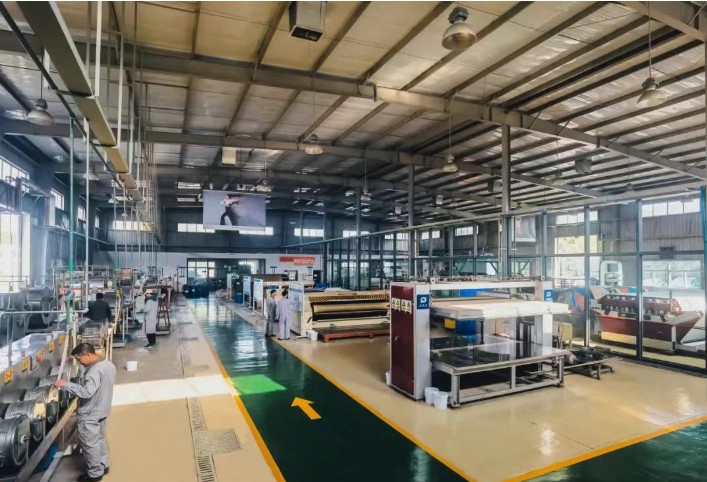
The Third Plenary Session of the 20th CPC Central Committee pointed out that “it is necessary to improve the system of ecological civilization and coordinate the promotion of carbon reduction, pollution reduction, green expansion and growth”. The coordinated increase in efficiency of pollution reduction and carbon reduction has become an inevitable choice for the green transformation of light industry. As a key area for carbon peak in light industry, the leather industry actively implements the “Implementation Plan for Carbon Peak in Key Areas of Light Industry”, takes green production as an important means of industry transformation and upgrading, and continuously promotes the coordinated increase in pollution reduction and carbon reduction. Through the efforts of the entire industry, the level of clean production has been significantly improved, pollutant treatment technology has been widely promoted, clean tanning technology has been continuously innovated, bio-tanning technology has been effectively applied, and pollution reduction, emission reduction, resource conservation, quality improvement and efficiency improvement have achieved remarkable results. Green upgrading has become the core driving force for the high-quality development of the industry.
Comprehensively reduce pollution and waste to promote the “further upgrade” of clean production
The leather industry has strengthened pollutant treatment, using a multi-pronged approach of source substitution, process emission reduction, terminal treatment, and recycling, and the overall level of clean production has been improved. Shoemaking companies have actively applied VOCs terminal treatment technology, and technologies such as catalytic oxidation and activated carbon adsorption have been adopted by enterprises above designated size; they have promoted shoemaking automation, and gradually applied technologies such as glue adjustment and intelligent control; they have strengthened source substitution of low-VOCs materials, and the proportion of environmentally friendly adhesives used has exceeded 95%, and VOCs emissions in the shoemaking industry have been significantly controlled. Leather companies have accelerated the application of waste liquid recycling technology, achieving efficient removal of major pollutants such as sulfides and organic matter, and effective recovery of wastewater and protein.
In particular, the widespread application of liming and chrome tanning waste liquid recycling technology has accelerated the process of cleaner production in the leather industry, and simultaneously achieved water conservation, material conservation, pollution reduction, emission reduction, and recycling, achieving a “win-win”in environmental and economic benefits. The waste liquid recycling technology developed by the Key Laboratory of Green Manufacturing Technology for Leather and Shoemaking in China's Light Industry can achieve a COD removal rate of more than 90% and a sulfide removal rate of more than 99% for liming waste liquid; a recovery rate of more than 99% for chromium salts and sodium sulfide, a recovery rate of more than 99% for liming and chrome tanning process wastewater, and a protein recovery rate of more than 90%. At present, the application rate of liming and chrome tanning waste liquid recycling technology has reached 70%, an increase of about 15 percentage points from the end of the “13th Five-Year Plan”, and the leather industry has fully transformed its production mode towards greening.
Innovative tanning technology drives the “new trend”of green transformation
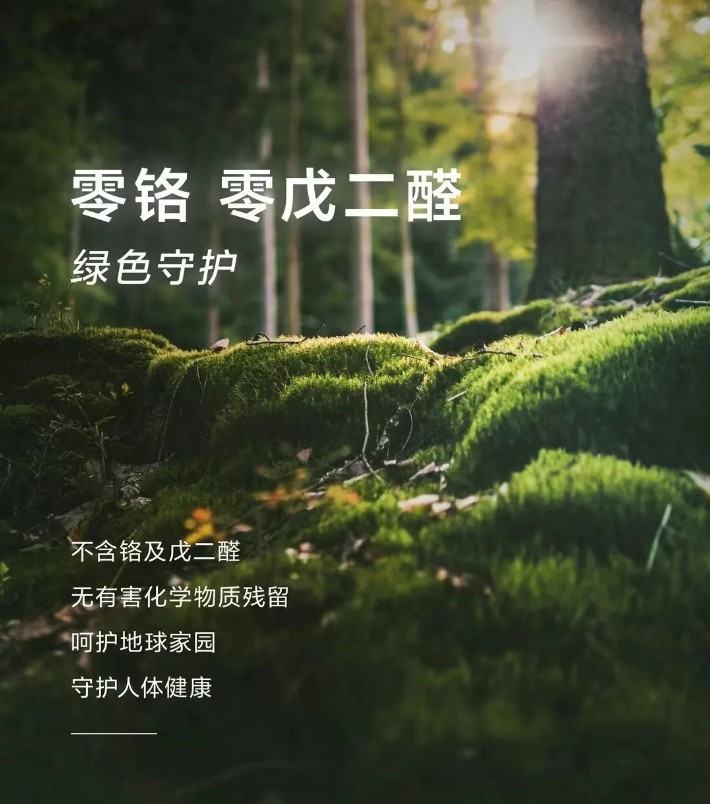
The leather industry actively promotes the low-chrome and chrome-free tanning process, reducing the use of chrome from the source, effectively driving industrial upgrading and enhancing international competitiveness. Tanning is the core process of leather making, and the chrome emission problem caused by traditional chrome tanning has attracted widespread attention at home and abroad. Low-chrome and chrome-free tanning technology has become one of the focuses of scientific and technological competition in the international leather field. my country's leather enterprises have actively transformed and accelerated the research and development and application of chrome-free tanning technology. The market share of chrome-free tanned leather has gradually increased, and the domestic market share has exceeded 15%, which is about 3 percentage points higher than the end of the “13th Five-Year Plan”.
The Key Laboratory of Biomass Science and Engineering of China's Light Industry has developed key materials for chrome-free tanning and dyeing, which have been used in more than 40 leather companies and exported to Europe and the United States. Leather chemical companies such as Tingjiang and Desair are actively developing chrome-free tanning agents and supporting processes to help leather companies innovate their products and achieve simultaneous production of chrome-free tanning products at home and abroad. Environmentally friendly chrome-free leather products meet people's more healthy and environmentally friendly consumption needs, and drive the “new trend'”of green upgrading of the industry.
Upgrading bio-leather to open up a 'new path' for green production
The leather industry has strengthened the application of emerging technologies and continuously innovated bio-tanning technology, opening up a “new path” for clean production in the leather industry. The application of composite bio-enzymes and bio-based tanning materials are the current research hotspots of bio-tanning. As an excellent green catalyst, bio-enzymes have been used by more and more leather companies in the tanning preparation process, which can achieve “multiple effects” of saving materials, reducing consumption, reducing pollution, and increasing efficiency, and “reducing pressure”on the process with the heaviest environmental load in leather production.
The use of traditional materials such as alkali sulfide and petrochemical materials such as surfactants has been reduced, and the COD in wastewater has dropped significantly, which has “reduced the burden”on the environment from source to end. Zhejiang Tongtianxing's innovative compound enzyme bio-leather making process not only solves the key technical difficulties of conventional enzyme preparations, but also achieves pollution reduction and efficiency improvement, shortening the process time by more than 20%, reducing wastewater emissions by 30%, and reducing lime by 60%. It has been identified as an internationally leading level by experts organized by the China Light Industry Federation and won the second prize for scientific and technological progress of the China Light Industry Federation. Bio-based leather materials use plant or animal skins as raw materials. They are key materials for improving the level of bio-leather making. They have the advantages of biodegradability, low consumption and low pollution, and have become a hot spot for research and development at home and abroad. The China Light Industry Leather Chemical Materials Engineering Technology Research Center has developed bio-based retanning agents and fatliquors, which can reduce major pollutants such as COD and chromaticity in leather waste liquid, providing important support for bio-based leather making. my country's leather companies are tracking new technologies, continuously expanding the breadth and depth of sustainable development, and promoting the leather industry to “go new and green”.
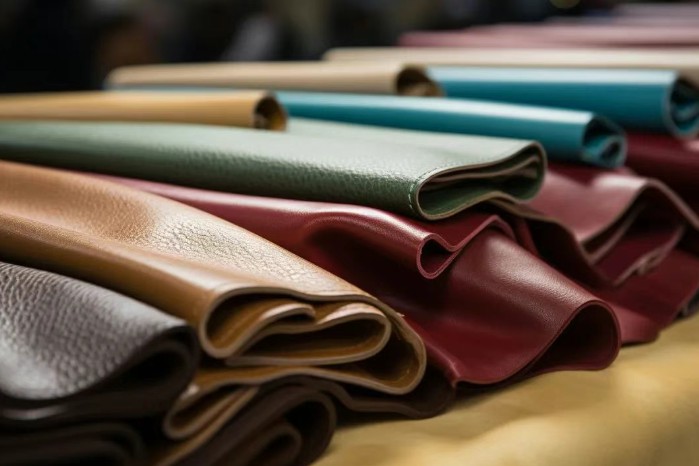
As a key area for carbon peak in light industry, the leather industry has adhered to innovation-driven development, achieved cleaner production and environmentally friendly product upgrades, and embarked on the path of ecological development of “taking from nature and returning to nature”, making positive contributions to the realization of the “dual carbon”goal. In the future, the entire light industry will be brave in pioneering and innovating, continue to expand green development space, build a sustainable future, and contribute light industry strength to the construction of a beautiful China.
--------------------------------------------------------
Articles, pictures from the Internet
If there is any infringement
Please contact to delete

Tel:+ 86-20-89686986 / 89686989
Fax: +86-20-89686987
E-mail: info@qiyuleather.com
Add: No.20th, Lianrun 2nd Street, Longtou Market, Shiling Town, 510850 Huadu District, Guangzhou City, Guangdong Province,China
Tel:+86-20-89686986/89686989
Fax: +86-20-89686987
E-mail: info@qiyuleather.com
Add: No.20th, Lianrun 2nd Street,Longtou Market, Shiling Town, 510850 Hu
adu District, Guangzhou City, Guangdong Province,China


LINE



Copyright ©2024Guangzhou Qiyu Leather Co, Ltd Guangdong