
 English
-
 English
 -
简体中文
-
عربي
-
Polski
-
Deutsch
-
Русский язык
-
Français
-
한국어
-
română
-
Português
-
日本語
-
Türkçe
-
УкраїнськаName
-
Español
-
Italiano
-
हिंदीName
-
IndonesiaName


Favored by big brands such as Hermès, Gucci, and Chanel, has the trend of plant-based leather arrived?
Author:Guangzhou Qiyu Leather Co., Ltd.
Click:
Time:2025-06-03 18:23:25
In recent years, as global ecological and environmental issues have become increasingly prominent, sustainability and green environmental protection have become the development direction of the entire industry. Sustainable new materials have become a 'golden pot', and plant leather has also become a response, attracting major consumer brands.
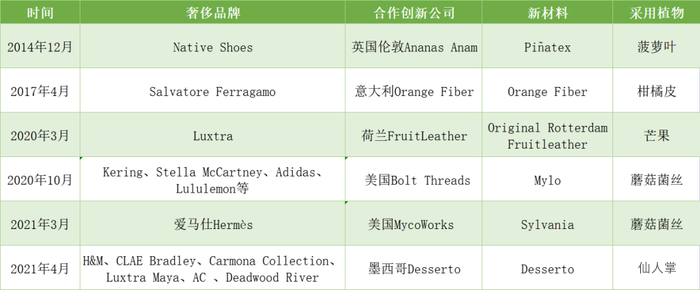
Table 1: Overview of cooperation between luxury brands and plant leather innovation companies in recent years, data source: compiled from public information
In March 2021, Hermès announced that it would cooperate with the American startup Sylvania to launch the first 'mushroom leather bag' - Victoria, which set off a wave of enthusiastic discussion. The 'mushroom leather' is made of a special new material (Sylvania) of mushroom mycelium, which has a honeycomb structure and has similar strength and durability to leather.
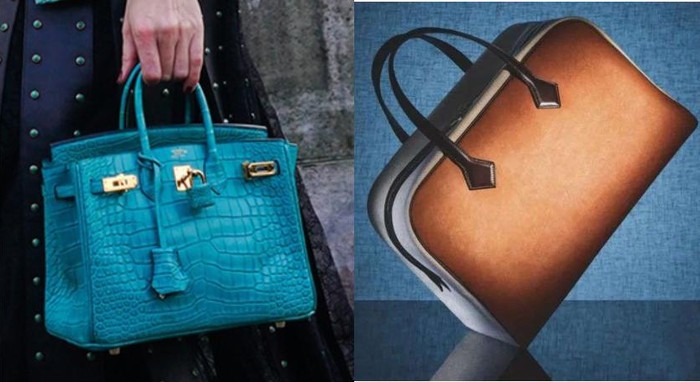
Figure 1: Hermès bags (left: crocodile leather bag, right: mushroom leather bag) Source: Sina Fashion and Weibo
The biggest difference between plant leather and animal leather or plastic leather is that it does not use harmful chemicals, is naturally degradable, does not pollute the environment or harm animals, is developed based on environmental friendliness, and has lower costs and consumes less resources.
In fact, Hermès is not the first to adopt new environmentally friendly materials.
As early as October 2017, Gucci announced that it would stop using fur and exotic animal skins as raw materials for its products. Then in 2018, luxury brands such as Channel, Burberry, and Versace made the same commitment. In August 2019, the French President and Kering Group took the lead in signing the Fashion Agreement with several fashion brands to commit to global environmental protection. As of September 2020, more than 250 brands have joined.
This action by Hermès seems more like a helpless move after being isolated. You should know that Hermès has always been famous for its rare leather, and its core business, the crocodile platinum bag, is expensive (100,000 to 1.45 million), and was once hyped up to more than 2.6 million in the market. It is the favorite of many celebrities and socialites, and it is often hard to get one.
Therefore, Hermès' launch of the 'mushroom leather bag' also proves that sustainability has become an irresistible trend of the times.
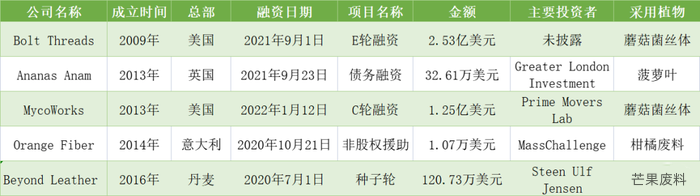
Table 2: Financing status of plant leather start-ups (partial), data source: compiled from Crunchbase
This time, we sorted out these novel plant leather materials one by one, and understood their specific performance characteristics and future development trends.
Desserto - Cactus
Desserto, a Mexican startup, is a biomaterials company that is committed to creating highly sustainable vegan leather. The founders are Adrián López Velarde and Marte Cázarez. The two previously worked in the furniture, automotive and fashion industries, and after witnessing the serious environmental pollution caused by leather, they decided to quit their jobs and look for alternative materials to leather.
In July 2019, Desserto developed a new material that can replace leather using cactus and named it Desserto. This cactus leather has the characteristics of soft touch, good elasticity and good breathability, and can replace almost any animal skin.
The production process is not complicated. First, harvest the mature cactus, clean it, crush it, and place it in the sun to dry for three days; secondly, process it through a machine and grind it into a powder; finally, add non-toxic chemicals and biological pigments, and mix them to obtain a textured leather-like material.
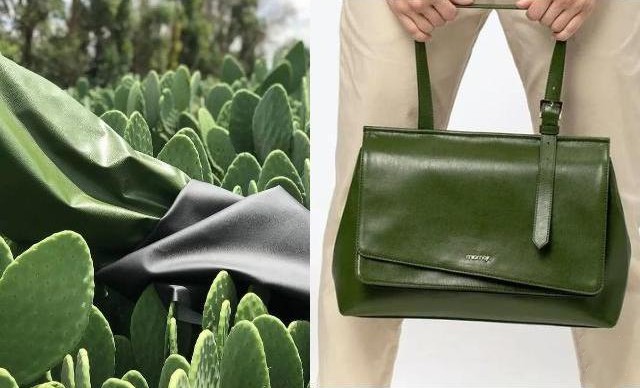
Figure 2: Left: Cactus leather, Right: Cactus bag, Image source: Desserto official website
As the national flower of Mexico, cactus has a unique growing environment in the local area. Desserto uses local materials and establishes a planting farm in Zacatecas, Mexico. The mature leaves of cactus are trimmed every June to August to make the raw materials for cactus leather.
Cactus plantations are perennial plants with a planting period of about 8 years, which greatly saves startup costs. Desserto firmly implements sustainability to the end. The plantation adopts a completely organic management method, without the use of herbicides, pesticides and other chemical products, providing a healthy and safe habitat for wild animals. In addition, cacti do not need irrigation, saving a lot of water resources. They can survive in arid land, effectively preventing soil desertification, absorbing 8,100 tons of carbon dioxide each year, and the cactus leather produced can also be completely biodegradable, leaving no burden on the environment.
However, Adrian and Matt want to do more than just protect the environment; their ultimate vision is to establish a new era of vegan leather.
MycoWorks - Mushroom Mycelium
MycoWorks is also committed to developing new biological materials to replace leather, but the difference is that it chooses to use mycelium.
MycoWorks was founded by Philip Roth and Sofia Ya in 2013 and is headquartered in California, USA. MycoWorks pioneered the Fine Mycelium technology, which uses a highly controlled tray-based system during the growth of mycelium cells to create a tightly wound and inherently strong three-dimensional structure. In addition, mycelium naturally forms a solid foam during growth, which can be compressed to obtain a leather-like material.
Reishi is the first natural material created by this technology, with quality and performance comparable to the finest animal leathers, with lower environmental impact and greater customization freedom.
In the spring of 2021, MycoWorks announced a collaboration with Hermès to launch a new product, the 'Mushroom Bag.' Since then, it has ushered in a 'life of cheating' and received heavy investment favors.
To date, MycoWorks has gone through 6 rounds of financing, raising a total of US$187 million. The latest round of C financing was conducted on January 12, 2022, raising US$125 million, led by Prime Movers Lab. The funds raised will be used to launch the first comprehensive Fine Mycelium production plant to meet the growing demand for the company's materials.
FruitLeather – Waste mangoes
FruitLeather, a Dutch innovative company, has developed plant leather using discarded mangoes as raw materials. Its founders are Koen and Hugo, who graduated from the de Kooning Design Academy.
The two started their business at the largest Rotterdam market in the Netherlands, where there are a wide variety of fruits and a huge amount of waste food is produced every day, such as overripe mangoes and crushed nectarines. So they collected the waste fruits, deseeded them, crushed them, cooked them, mixed them with adhesives, poured them into large trays, and then air-dried, colored, embossed and other processes to make vegan leather. After many experiments, they finally found that mango peels were the most suitable material.
In March 2020, FruitLeather collaborated with London fashion brand Luxtra to launch the first mango vegan leather bag.
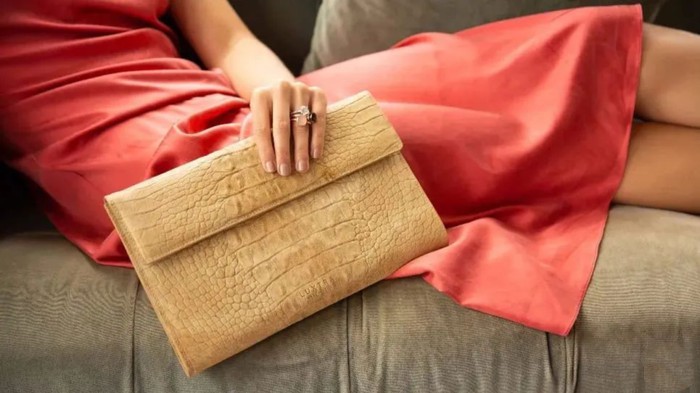
Figure 3: The first mango vegan leather bag created by FruitLeather and Luxtra, source: Sample catalog
Resources are increasingly scarce in today's world, but humans around the world throw away 1.3 billion tons of food every year and slaughter over 1 billion animals for leather production. Founders Koen and Hugo believe that 'the combination of fruit and leather can fundamentally change the world polluted by animal leather.'
Beyond Leather Materials – Apple Waste
Founded in 2016, Beyond Leather in Copenhagen, Denmark, creates plant-based leather, Leap, from waste products from apple juicing.
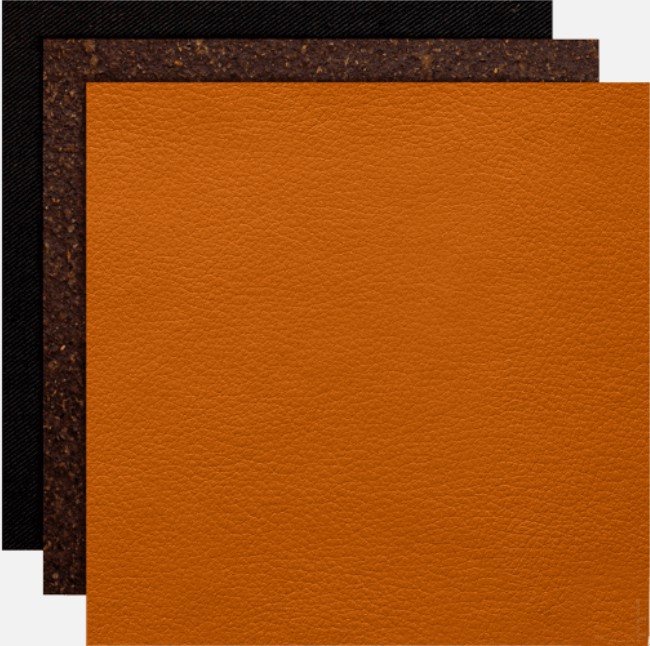
Figure 4: Apple Leather, source: Beyond Leather official website
Leap is made of a mixture of apple waste, coating, and textile backing. It is made by mixing apple waste with natural rubber, coating it on a textile backing woven from organic cotton and wood fibers, and finally applying a layer containing a small amount of fossil fuel-derived materials to form a three-layer structure to ensure durability and sustainability.
It is estimated that 3 million tons of apple waste is produced every year in the world. Beyond Leather produces plant leather based on the apple residue left over from the production of apple pulp, fruit wine and other products. The material is similar to animal leather in appearance and feel, and is naturally degradable, which reduces environmental pollution and food waste while providing everyone with a more fashionable and healthy leather choice.
Beyond Leather means beyond leather. Founders Hannah and Mikael believe that the future of leather will be plant-based.
Currently, Leap is made of 80% bio-based ingredients and is expected to have a 99% bio-based coating by 2023 and be 100% biodegradable by 2024, leaving no trace.
Ananas Anam – Pineapple leaves
Ananas Anam was founded in London in 2013 and created plant leather, Pi atex, using pineapple leaves as raw materials. The founder is Dr. Carmen Hijosa, who has many years of experience in animal leather product design and has worked as an industry consultant. In the 1990s, Carmen visited the Philippines and was shocked by the impact of large-scale leather production and chemical tanning on the environment. At the same time, she noticed that the fiber structure of pineapple leaves is very suitable for making leather substitutes.
Afterwards, Carmen left the traditional leather manufacturing industry and spent seven years studying textiles. In 2014, the 62-year-old Carmen received a doctorate in textiles from the Royal College of Art in London, and developed pineapple leaf fibers into a patented product, Pi atex.
Pi atex does not contain harmful chemicals or animal products. It is soft, strong, breathable, lightweight and flexible. It is also easy to print and dye, and can be easily cut, sewn, embossed and embroidered to meet the design finishes of shoes, bags, cars, etc.
There are seven major steps in making Pi atex: collecting pineapple leaves into bundles - using a semi-automatic machine to extract long fibers - washing and drying - purifying and removing impurities to form a fluffy material - adding corn-based polylactic acid (PLA) to mix and make Pi afelt - finishing - coloring, waterproofing, and applying resin topcoat to make Pi atex.
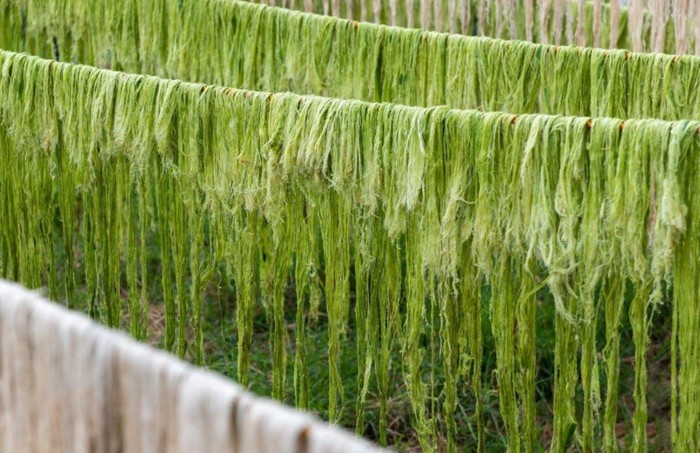
Figure 5: Pineapple fibers being dried in the sun. Source: Ananas Anam official website
In August 2021, Pi atex and Dole will work together to achieve their zero waste goal. Through this partnership, Pi atex will obtain more pineapple leaf fibers to meet the growing demand in fashion, interior decoration and automotive fields.
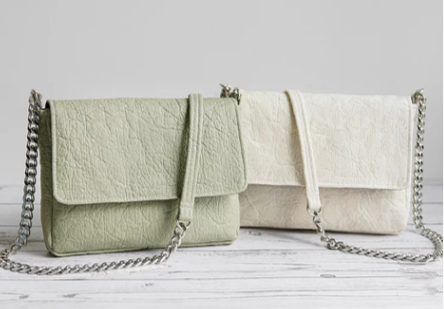
Figure 6: Finished bag made of Pi atex, source: Ananas Anam official website
Currently, Pi atex has been used by more than 1,000 brands in more than 80 countries, including Hugo Boss, H&M and Hilton Hotel Bankside. Carmen's ultimate vision is to build a more sustainable future that connects people, the environment and the economy.
Under the trend of the times of building a community with a shared future for mankind, sustainable development has become a consensus among people around the world. People's environmental awareness is gradually increasing, and plant leather may become a more popular choice for consumers. According to Infinitum Global analysts, the plant leather market will reach US$89.6 billion in 2025, and the Asian market will dominate the industry.
--------------------------------------------------------------------------------------------------------------------------------
Articles, pictures from the Internet
If there is any infringement
Please contact to delete

Tel:+ 86-20-89686986 / 89686989
Fax: +86-20-89686987
E-mail: info@qiyuleather.com
Add: No.20th, Lianrun 2nd Street, Longtou Market, Shiling Town, 510850 Huadu District, Guangzhou City, Guangdong Province,China
Tel:+86-20-89686986/89686989
Fax: +86-20-89686987
E-mail: info@qiyuleather.com
Add: No.20th, Lianrun 2nd Street,Longtou Market, Shiling Town, 510850 Hu
adu District, Guangzhou City, Guangdong Province,China


LINE



Copyright ©2024Guangzhou Qiyu Leather Co, Ltd Guangdong